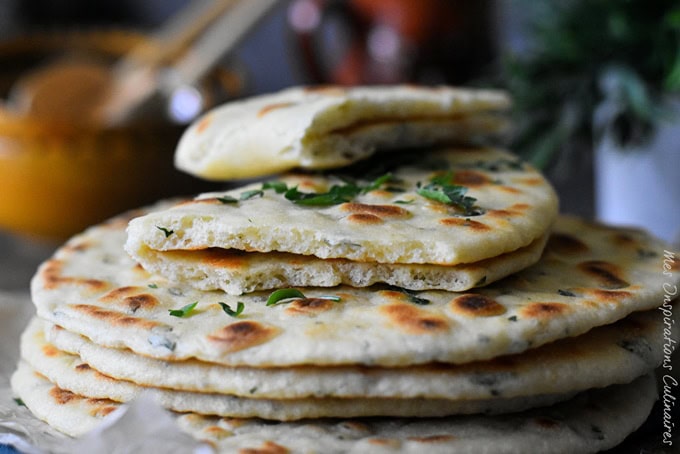
Palestinian Taboon Bread with Za’atar
Taboon bread, sometimes spelled teboon or tabun, is one of those humble recipes that carries generations of history in every bite.
Soft, slightly chewy, and traditionally baked at very high heat, this Middle Eastern flatbread is deeply rooted in everyday life, especially in Palestine, Jordan, and neighboring regions.
Made with simple ingredients and flavored with fragrant za’atar, taboon bread is a vessel for sharing food, a replacement for cutlery, and a comforting staple that pairs beautifully with dips, grilled meats, and vegetables.
Rustic, soft, and lightly smoky when traditionally baked, it pairs just as beautifully with simple everyday meals as it does with generous family gatherings.
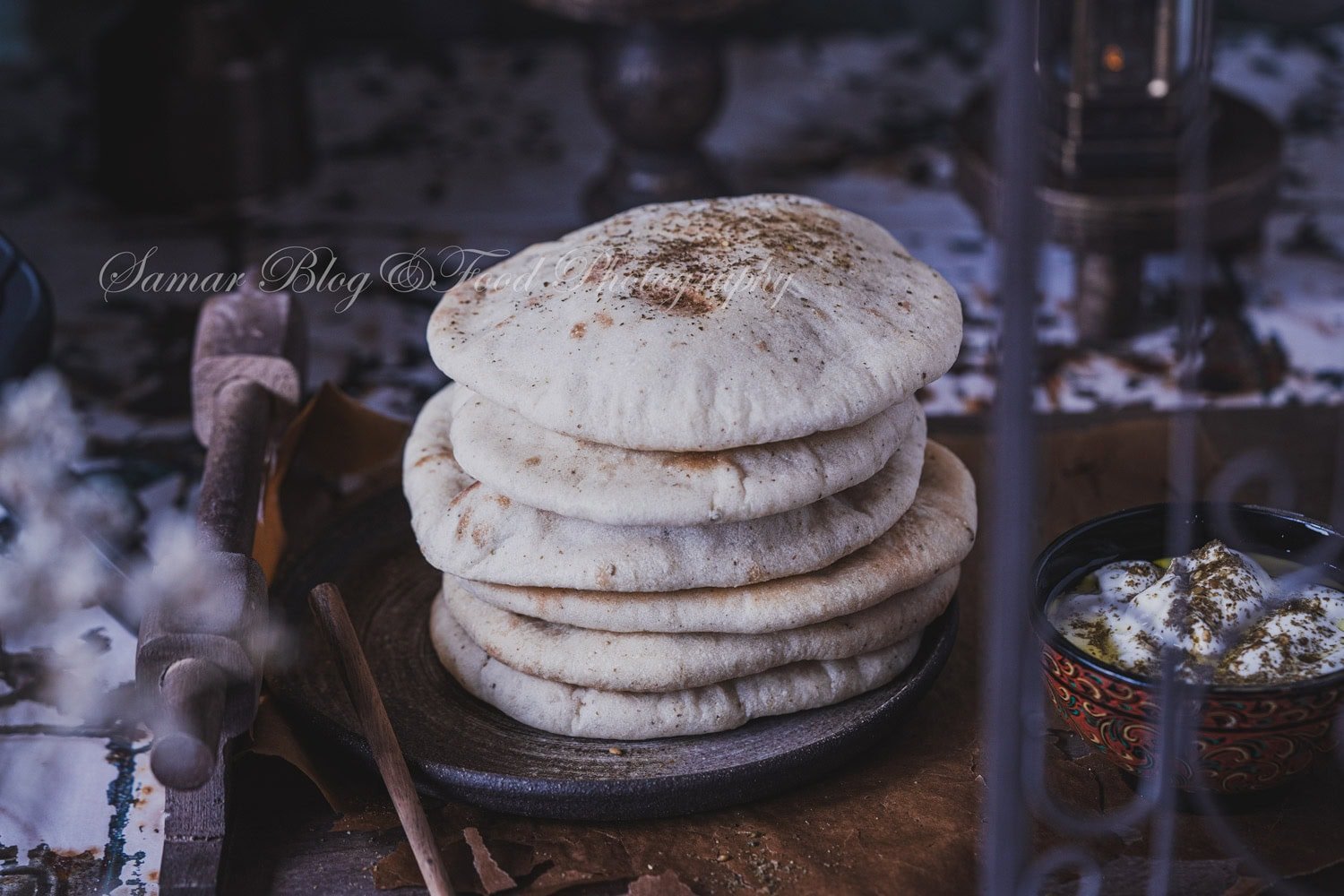
Taboon Bread (Teboon): A Traditional Middle Eastern Flatbread with Authentic Flavor
This bread is traditionally used for Musakhan—Palestinian chicken seasoned with sumac and served on flatbread. It is also the bread commonly used to wrap shawarma and is often filled with falafel and hummus. You can slice it open and stuff it, or simply enjoy it as it is.
Soft with a light crispness, it releases the irresistible aroma of freshly baked bread.
What Is Taboon Bread?
Taboon bread is a traditional Middle Eastern flatbread named after the taboon oven, a cone-shaped clay or stone oven used for centuries.
These ovens are heated with wood, charcoal, or stones until they reach extremely high temperatures. The dough is then slapped against the hot inner walls, baking in just minutes.
The bottom of the oven is lined with large stones heated by glowing embers. The flatbreads are placed directly on the hot stones to bake, leaving distinctive marks on the underside of the bread.
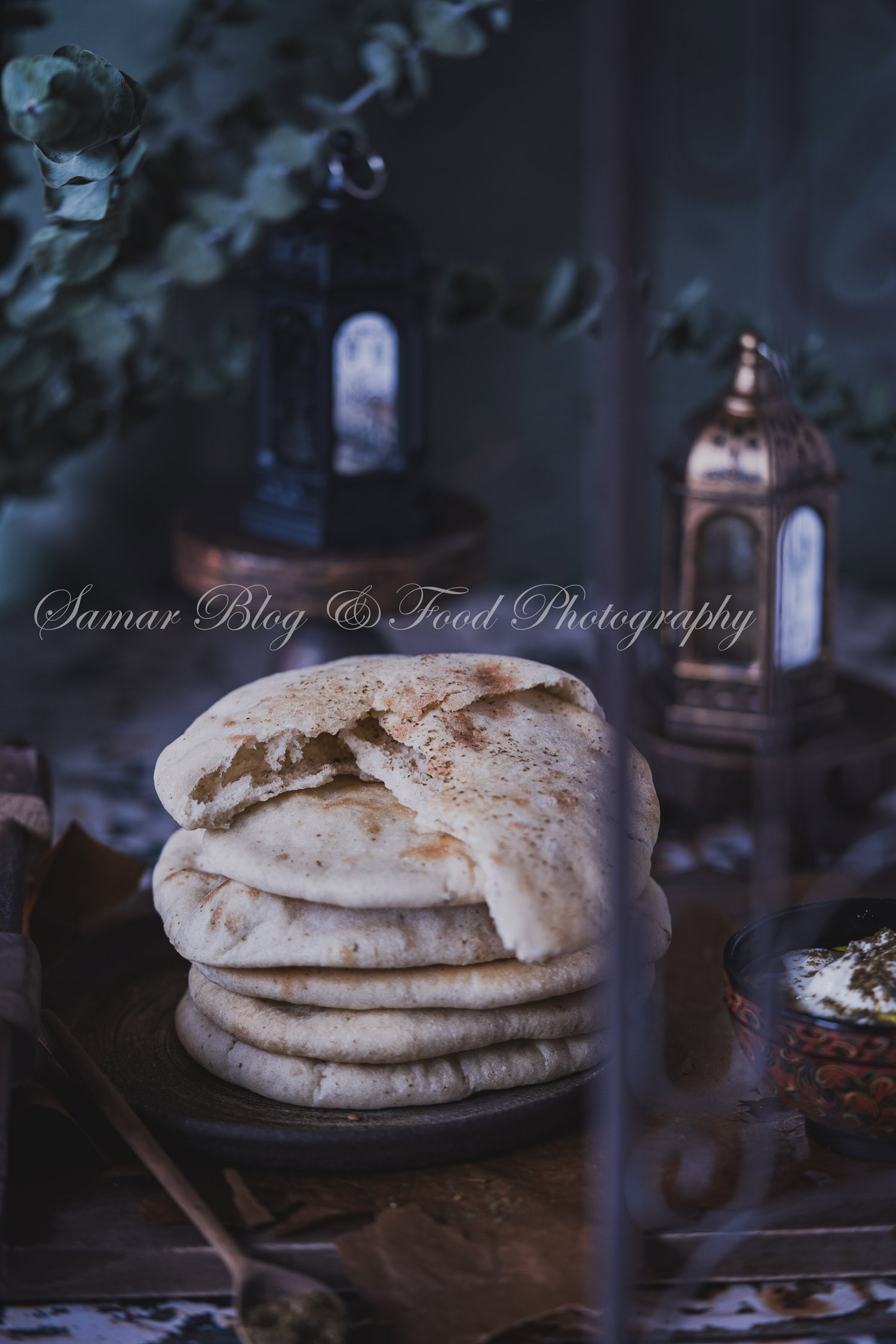
Unlike pita bread, taboon does not always puff fully to create a pocket. It is often slightly thicker, with a soft interior and a lightly blistered surface.
The texture is tender yet sturdy, making it perfect for scooping, wrapping, or tearing by hand.
The dough is made with basic ingredients like flour, water, yeast, and salt.
Once shaped, the bread is baked against the hot walls of the oven, which allows it to cook quickly and gives it light golden marks and a soft texture.
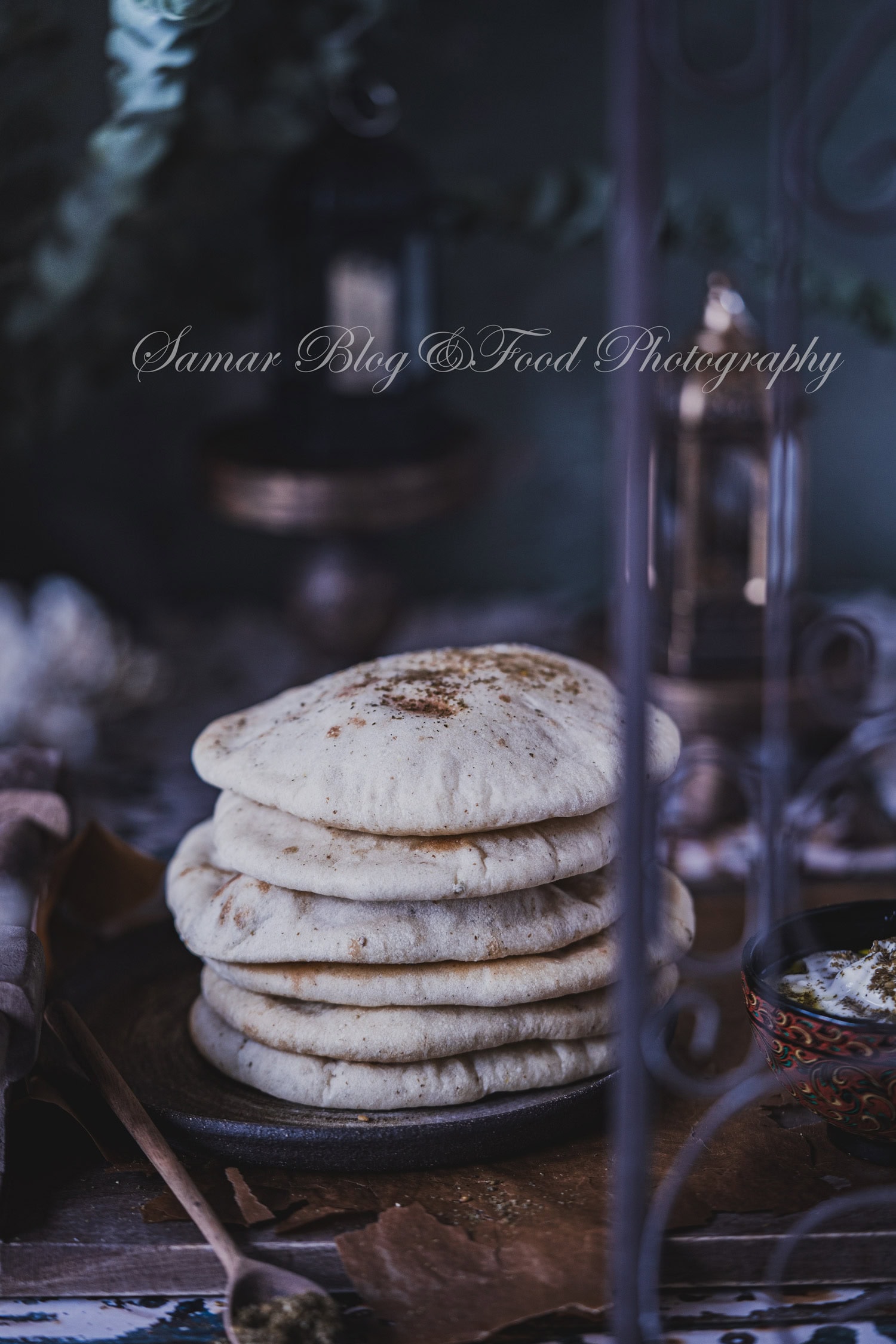
Origins and History
Taboon bread has deep roots in Palestinian history. In the past, each village had a communal oven where women brought dough prepared at home to bake the day’s bread.
The bread takes its name from the taboon oven, which has been used in Palestine for centuries to bake bread. Making taboon bread is deeply rooted in Palestinian culture and remains a cherished tradition passed down through generations.
Taboon bread was designed to be nourishing and practical. There was no need for unnecessary refinement—it had to be hearty, flavorful, and able to stay soft throughout the day.
Even today, taboon bread is a symbol of sharing and tradition. Every family has its own method, its own small secret that gives the bread its unique texture and character.
Over the years, the basic recipe for taboon bread has remained largely unchanged, though it has naturally evolved depending on ingredient availability and changing eating habits.
Adding za’atar to the dough is a more recent variation that enhances the flavor and makes the bread even more enjoyable, whether eaten on its own or served with other dishes.
The dough is typically made with simple ingredients such as flour, water, yeast, and salt. Once shaped, the bread is pressed against the hot walls of the oven, allowing it to bake quickly while developing light marks on the surface and a soft, tender crumb.
What’s the Difference Between Taboon Bread and Pita Bread?
These two flatbreads are often confused, but each has its own purpose and personality.
- Pita bread is designed to puff up during baking, creating a pocket that’s perfect for stuffing. It bakes very quickly and has a thinner, lighter crumb.
- Taboon bread, on the other hand, is more rustic and often slightly thicker. It doesn’t always puff up and isn’t meant to form a pocket. Instead, it’s made to be torn, dipped, wrapped around fillings, or served alongside main dishes.
In short, pita is ideal for sandwiches, while taboon shines as a versatile, comforting bread for sharing.
Characteristics of Traditional Taboon Bread
Taboon bread is easy to recognize thanks to its distinctive qualities:
- A soft, tender texture
- A thin crust that can be slightly crisp
- A lightly smoky flavor when baked in a traditional oven
- A round or oval shape with a rustic, irregular look
It can be enjoyed plain or topped with sesame seeds, nigella seeds, or brushed with olive oil before baking for extra flavor.
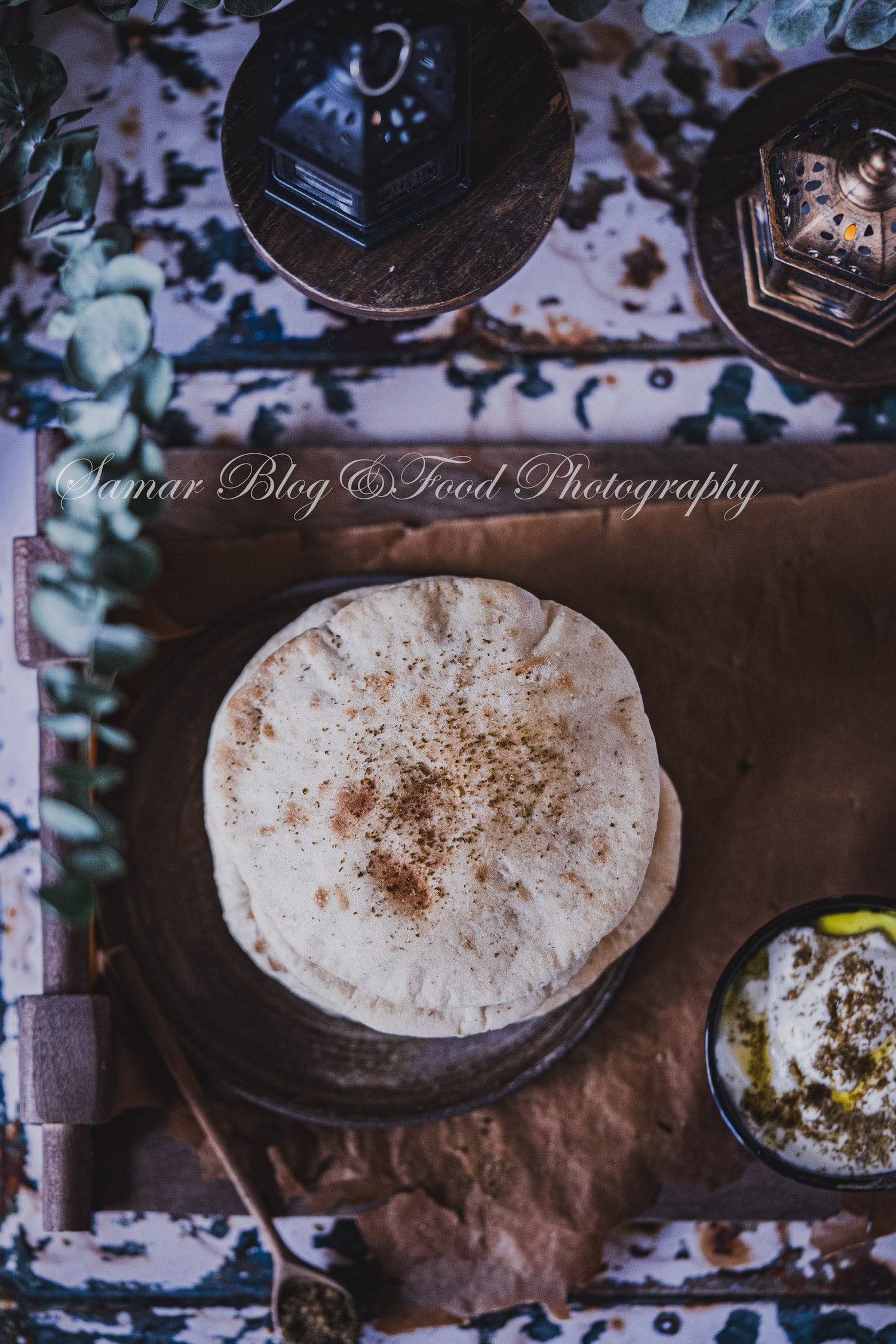
Ingredients That we need :
- 4 cup All-Purpose Flour : All-purpose flour is ideal for taboon bread as it creates a soft, elastic crumb without making the bread heavy. You can replace up to 20% with whole wheat flour if you prefer a more rustic texture, but the white flour version remains the closest to the traditional recipe.
- 1 tablespoon Active Dry Yeast : Active dry yeast allows the dough to rise gently, resulting in a soft and airy bread. Make sure the yeast is fresh and active. It is activated by warm water and sugar, ensuring a proper and even rise.
- 1 tablespoon Sugar : The sugar is not meant to sweeten the bread. Its role is to feed the yeast, promoting a steady fermentation and helping the bread develop a light golden color during baking.
- 1 teaspoon Salt : Salt is essential for enhancing flavor and strengthening the dough’s structure. A classic tip: avoid placing the salt directly in contact with the yeast at the beginning, as it can slow fermentation.
- 1¼ cup Warm Water : The water should be warm, not hot (around95–104°F). It hydrates the flour and activates the yeast without damaging it. This amount creates a soft, slightly sticky dough, perfect for a tender taboon bread.
- 2 tablespoons Olive Oil : Olive oil adds flavor and flexibility to the dough. It also helps keep the bread soft after baking and brings a subtle Mediterranean aroma.
- 2 tablespoons Za’atar : Za’atar gives taboon bread its signature flavor, with notes of thyme, sesame, and sumac. This aromatic blend turns a simple flatbread into a truly irresistible accompaniment. In this recipe, the za’atar is mixed directly into the dough.
Tips for an Even Better Taboon Bread
- Use a well-preheated pizza stone to achieve the best texture and quick baking.
- Avoid adding too much flour when shaping the dough, as this can make the bread dry.
- Wrap the baked breads in a clean kitchen towel to keep them soft and warm.
- Enjoy them the same day, when they are at their absolute best.
If you have leftovers, a quick reheat in a skillet brings them back to life beautifully.
How to Make Homemade Taboon Bread
1. Mix the Dry Ingredients
In a large mixing bowl, add the all-purpose flour, active dry yeast, sugar, salt, and za’atar.
Mix well to evenly distribute the yeast and spices throughout the flour. This step is essential for a well-balanced, flavorful dough.
2. Add the Liquids
Gradually pour in the warm water while mixing with a wooden spoon or directly by hand.
Once the dough starts to come together, add the olive oil. Continue mixing until you obtain a soft, supple dough.
3. Knead the Dough
Transfer the dough to a lightly floured work surface.
Knead for about 8 to 10 minutes, until the dough becomes smooth, elastic, and slightly sticky.
If the dough feels too sticky, add a small amount of flour, but avoid adding too much—taboon bread benefits from a well-hydrated dough.
4. First Rise
Shape the dough into a ball and place it in a lightly oiled bowl.
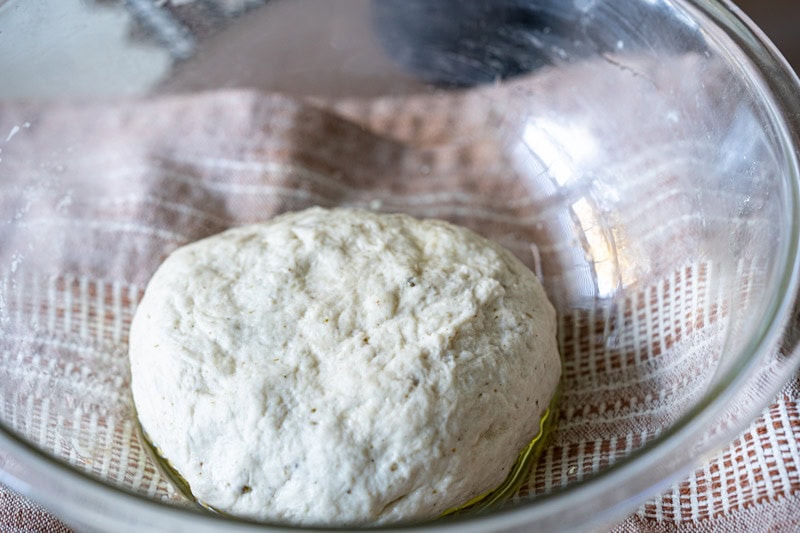
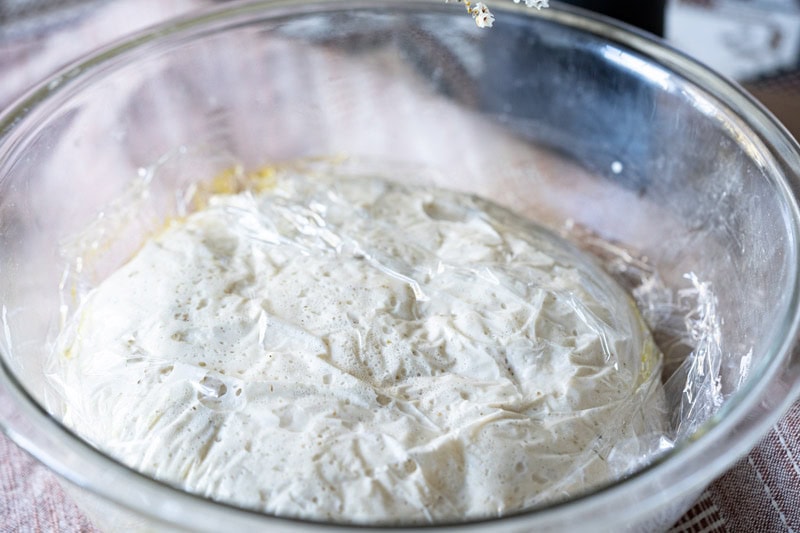
Cover the bowl with a clean kitchen towel or plastic wrap.
Let the dough rise at room temperature for about 2 hours, or until it has doubled in size.
5. Preheat the Oven
Preheat your oven to its highest temperature (ideally 250°C / 480°F or higher).
If you’re using a pizza stone, place it in the oven from the beginning so it becomes very hot by the time you’re ready to bake. This is one of the keys to making great homemade taboon bread.
6. Shape the Breads
Gently deflate the dough, then divide it into small, evenly sized balls.
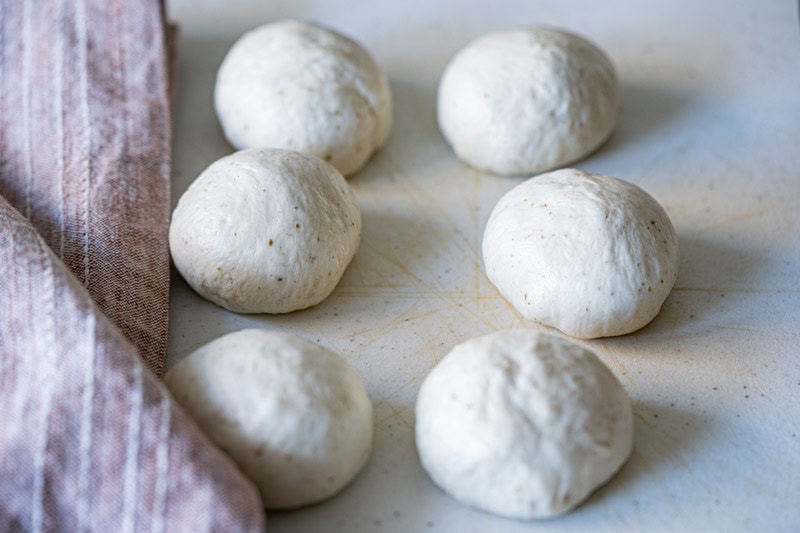
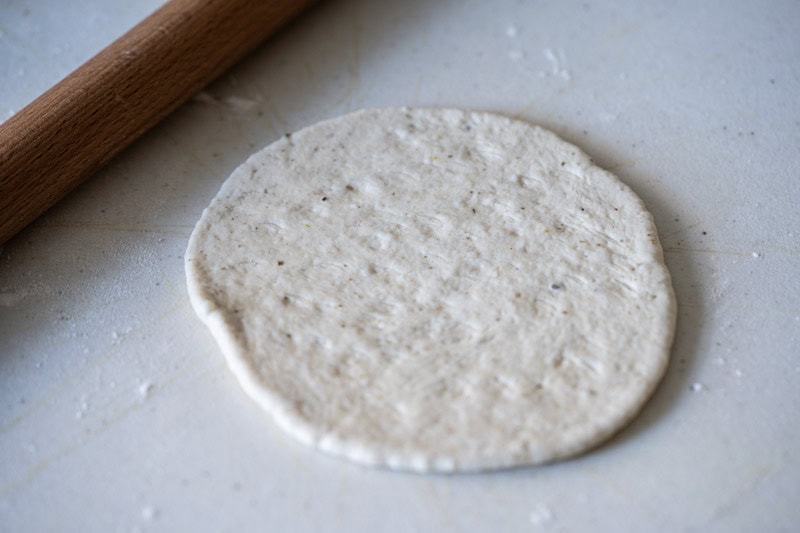
On a lightly floured work surface, roll each ball into a flat disc, not too thin and not too thick.
7. Bake the Taboon Bread
Carefully place one dough disc onto the hot pizza stone.
Bake for 2 to 3 minutes, until the bread puffs slightly and develops small golden spots on the surface.
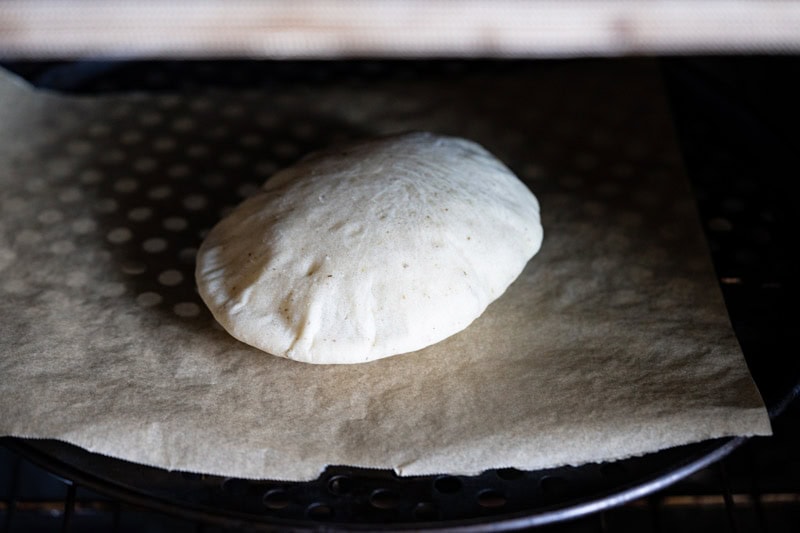
Baking is very quick, so keep a close eye on the bread to prevent it from drying out.
8. Serve
Remove the bread from the oven and wrap it in a clean kitchen towel to keep it soft.
Serve the taboon bread warm, plain or with a drizzle of olive oil, hummus, or grilled dishes.
How to Serve Taboon Bread
Taboon bread is incredibly versatile and can be enjoyed in many ways:
- Served alongside hummus, baba ganoush, or labneh
- Wrapped around falafel, grilled chicken, or roasted vegetables
- Used to scoop up stews and saucy dishes
- Simply dipped in olive oil and za’atar
It can also be used as a base for rustic sandwiches or lightly toasted for a crispier texture.
Why Is Taboon Bread Still Loved Today?
In a fast-paced world, taboon bread brings us back to the essentials—simple ingredients, time-honored techniques, and authentic flavor.
It is :
- affordable
- nourishing
- versatile
- deeply comforting
This is the kind of bread that tells a story with every bite.
Conclusion
Taboon bread (teboon) is a traditional Middle Eastern flatbread that goes far beyond its simple ingredients.
It is a symbol of tradition, sharing, and honest home cooking. Whether enjoyed with a simple drizzle of olive oil or served alongside a generous meal, it always brings a warm, authentic touch to the table.
Palestinian Taboon Bread
Ingredients
- 4 cup all-purpose flour
- 1 tablespoon active dry yeast
- 1 tablespoon sugar
- 1 teaspoon salt
- 1 ¼ cup lukewarm water
- 2 tablespoons olive oil
- 2 tablespoons za’atar
Instructions
- In a large bowl, combine the flour, yeast, sugar, salt, and za’atar.
- Gradually add the lukewarm water, mixing until the dough begins to form.
- Pour in the olive oil and continue kneading until you have a smooth and elastic dough.
- Cover the dough and let it rise for about 2 hours, or until it has doubled in volume.
- Preheat your oven to its highest temperature. If you have a pizza stone, place it in the oven to heat up.
- Divide the dough into small balls, then roll each ball into a flat disc.
- Bake each disc of dough on the preheated stone in the oven for about 2 to 3 minutes, or until the bread puffs up and has light golden spots.
- Serve warm.